


“As an Amazon Associate I earn from qualifying purchases.” .
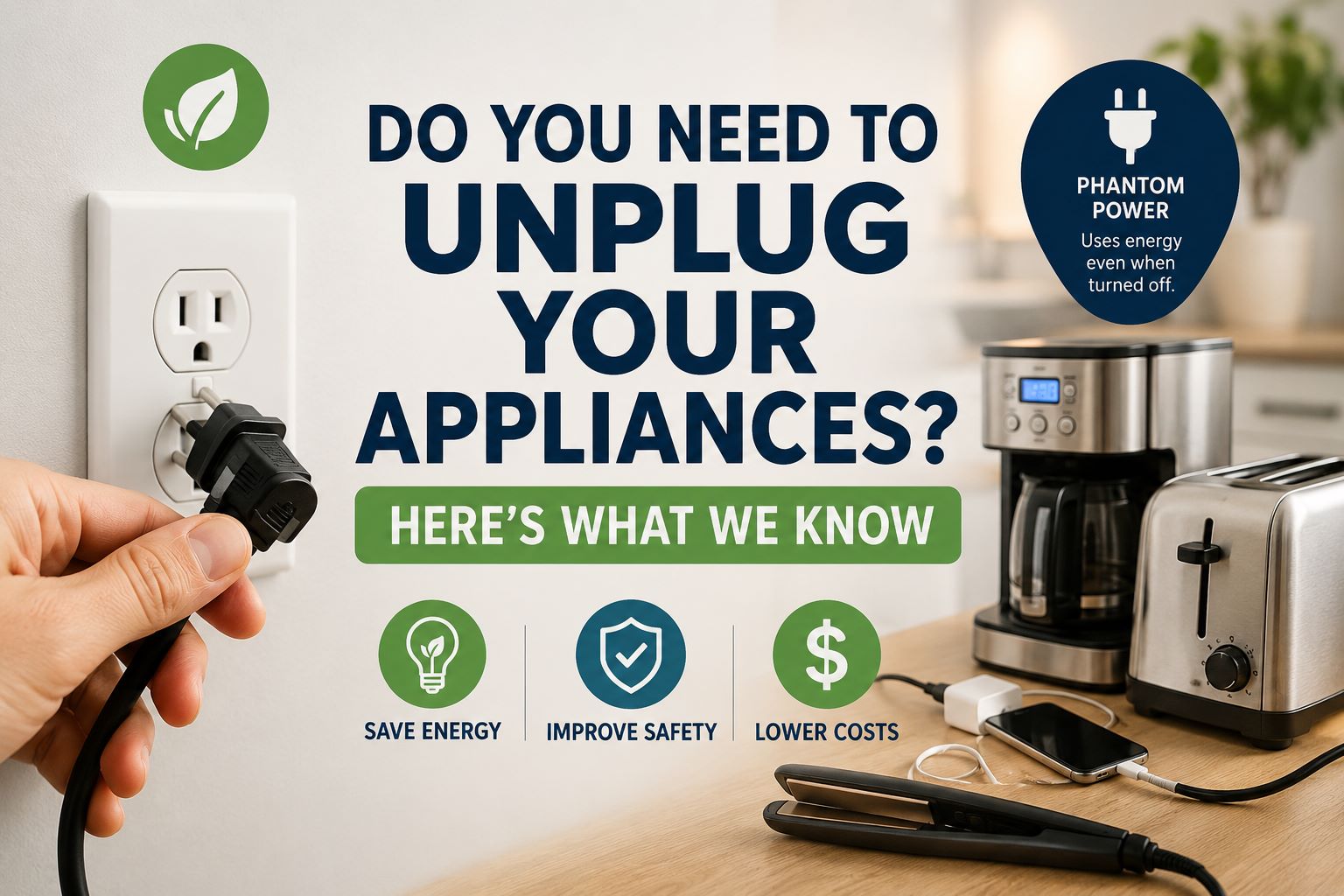
Many people wonder whether unplugging appliances actually saves electricity or if it’s just an old habit passed down from previous generations. The truth is that unplugging certain household devices can help reduce energy waste, improve safety, and even extend the life of some electronics. While modern homes are designed to safely handle everyday appliances, some devices continue using electricity even when turned off. This hidden energy use is commonly called phantom power or standby power.
Understanding which appliances should be unplugged—and which can safely remain plugged in—can help homeowners lower unnecessary energy costs while reducing fire risks around the house.
What Is Phantom Power?
Phantom power, sometimes called standby power, refers to electricity used by electronics and appliances even when they are not actively operating. Devices with digital clocks, LED indicators, remote sensors, or charging systems continue drawing small amounts of electricity while sitting idle.
Examples of common household items that still use electricity while turned off include:
- Phone chargers
- Coffee makers with digital displays
- Televisions
- Gaming consoles
- Speakers
- Air fryers
- Microwaves with clocks
Individually, these devices may only consume a small amount of electricity. However, across an entire home and over time, the energy use can add up.
Appliances You Should Consider Unplugging
Small Kitchen Appliances
Toasters, air fryers, coffee makers, and electric kettles often contain heating elements that can become potential fire hazards if electrical faults occur. Crumbs, grease, or oil buildup inside these appliances can also increase risks over time.
Unplugging these appliances after each use is a simple safety habit that may help prevent problems.
Phone Chargers and Charging Cords
Leaving charging cords plugged into outlets without a connected device still allows a small electrical current to flow. Over time, this can create unnecessary wear on the charger and generate excess heat.
Unplugging chargers when not in use may help prolong their lifespan while slightly reducing energy consumption.
Space Heaters
Portable space heaters are one of the more serious household safety concerns. Heating equipment is linked to thousands of house fires every year. Even when switched off, a plugged-in space heater can still pose risks during power surges or electrical malfunctions.
For safety, space heaters should always be unplugged after use.
Hair Styling Tools
Hair dryers, curling irons, and straighteners generate high heat and should never remain plugged in unnecessarily. Faulty cords or overheating components can create fire hazards, especially in bathrooms where moisture is present.
Entertainment Systems
Televisions, gaming consoles, and speaker systems are well known for using standby power continuously. According to Energy Star estimates mentioned in the report, electronic products account for massive yearly energy use in American households.
While unplugging these devices daily may not be practical, disconnecting them during vacations or long absences can help reduce wasted electricity and protect equipment from power surges.
Appliances That Usually Do Not Need Unplugging
Refrigerators
Refrigerators are designed for continuous operation and generally should remain plugged in unless the home will be vacant for an extended period. If leaving for several weeks or longer, homeowners may consider emptying and unplugging the refrigerator beforehand.
Built-In Appliances
Hardwired appliances such as ovens, dishwashers, washing machines, and built-in microwaves are designed for permanent installation and typically have minimal standby power draw. These appliances usually do not require unplugging.
Can Unplugging Appliances Lower Your Electric Bill?
The energy savings from unplugging devices may not dramatically reduce monthly bills, but every small reduction helps. Homes filled with electronics can lose electricity continuously through standby power usage. Over the course of a year, these small energy drains can become noticeable.
Using surge-protected power strips is one of the easiest ways to control phantom power. By turning off a single switch, multiple connected devices can be completely disconnected from electricity.
Safety Benefits of Unplugging Appliances
For many homeowners, the biggest advantage of unplugging appliances is improved safety rather than energy savings. Disconnecting high-heat devices reduces the risk of:
- Electrical fires
- Power surge damage
- Overheated outlets
- Damaged charging cords
- Appliance malfunctions
This is especially important before vacations, overnight trips, or during severe storms.
The Bottom Line
Your home is not in constant danger if you occasionally leave appliances plugged in. However, unplugging certain devices when they are not being used is a smart preventative habit that can improve safety, reduce phantom energy waste, and protect electronics from electrical damage.
Focusing on high-heat appliances, chargers, and entertainment systems offers the greatest benefit. Combined with surge protectors and regular appliance maintenance, these small habits can help homeowners create a safer and more energy-efficient home.
“As an Amazon Associate I earn from qualifying purchases.” .
